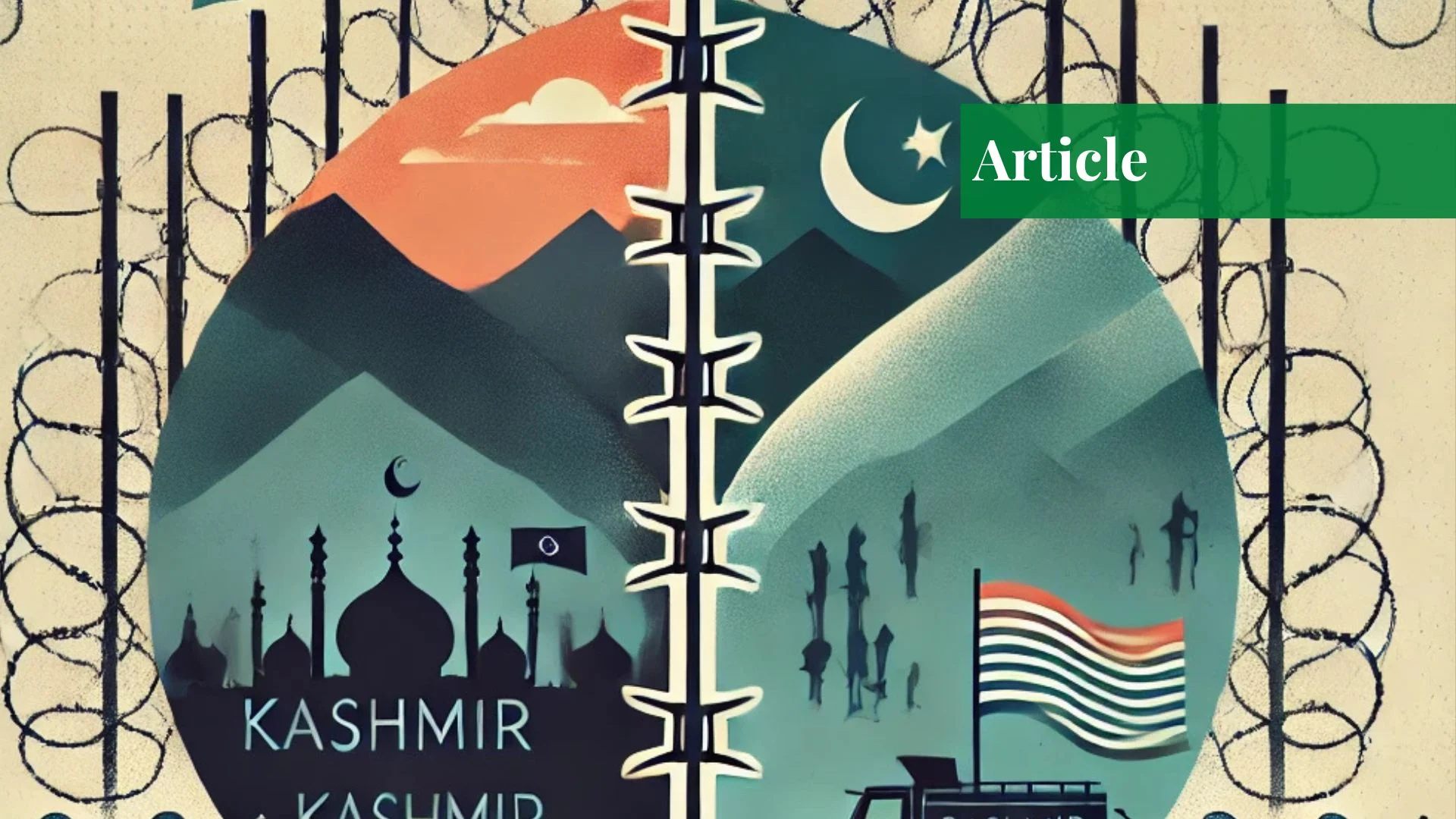
The Kashmir Issue: Has It Lost Its Importance?
UN Engagement, Recognition, and Ongoing Relevance
Introduction
The Kashmir issue remains a longstanding geopolitical dispute between India and Pakistan, rooted in the 1947 partition of British India. As of September 29, 2025, debates have emerged questioning its prominence in international forums, particularly at the United Nations (UN), where focus has shifted toward the Palestine conflict. However, the issue hasn't lost its importance; recent UN discussions, including Turkish President Recep Tayyip Erdogan's address at the 80th UN General Assembly session, highlight ongoing calls for dialogue. Pakistan's Prime Minister Shehbaz Sharif is expected to raise it in his upcoming speech, underscoring its persistence. This webpage examines the Kashmir issue's current status, UN involvement, historical resolutions, and challenges, reflecting the complex geopolitics as of September 2025.[1][2]
Has the Kashmir Issue Lost Its Importance?
The Kashmir issue hasn't lost its importance, but recent UN Security Council (UNSC) discussions have been limited, with only Turkey raising it prominently in September 2025. Turkish President Erdogan urged India and Pakistan to resolve the dispute through dialogue during the 80th UN General Assembly, emphasizing self-determination.[1] Pakistan's PM Sharif is set to echo this in his address, highlighting human rights concerns.[2] The shift toward Palestine reflects broader Middle East focus, but Kashmir's strategic significance—nuclear-armed neighbors, human rights abuses, and regional stability—ensures its relevance.[3] Organizations like the OIC continue to support Kashmiri self-determination.[4]
UN Involvement and Historical Resolutions
The UN has played a key role since 1948, with UNSC Resolution 47 calling for a ceasefire and plebiscite to determine Kashmir's future.[5] UNMOGIP has monitored the Line of Control since 1949.[6] However, no UNSC resolutions have passed since 1972, despite Pakistan's repeated raises.[3] Recent UNGA speeches by Erdogan and Sharif keep the issue alive, though Palestine dominates.[7]
Key Developments
- UN Involvement: UNMOGIP maintains a presence along the Line of Control since 1949, observing ceasefires and reporting violations.[6]
- International Support: The OIC and leaders like Erdogan advocate for peaceful resolution and self-determination.[4][1]
- Human Rights Concerns: Reports of abuses in Kashmir have drawn global attention, with calls for accountability from Amnesty International and Human Rights Watch.[8][9]
Critical Assessment
The Kashmir issue retains strategic importance, but limited UNSC engagement since 1972 and a Palestine focus dilute its visibility. Turkey's advocacy and Pakistan's planned address signal persistence, yet geopolitical complexities hinder resolutions. The lack of plebiscite implementation and ongoing occupation underscore unresolved tensions, with human rights abuses amplifying calls for international intervention.[3]
Conclusion
The Kashmir issue remains vital despite reduced UNSC focus, with recent advocacy by Turkey and Pakistan highlighting its urgency. Historical resolutions like UNSC 47 and UNMOGIP's role persist, but geopolitical shifts toward Palestine challenge prominence. International support from the OIC and human rights groups underscores self-determination needs. Resolving Kashmir requires renewed dialogue to address human rights and stability.[1][2]