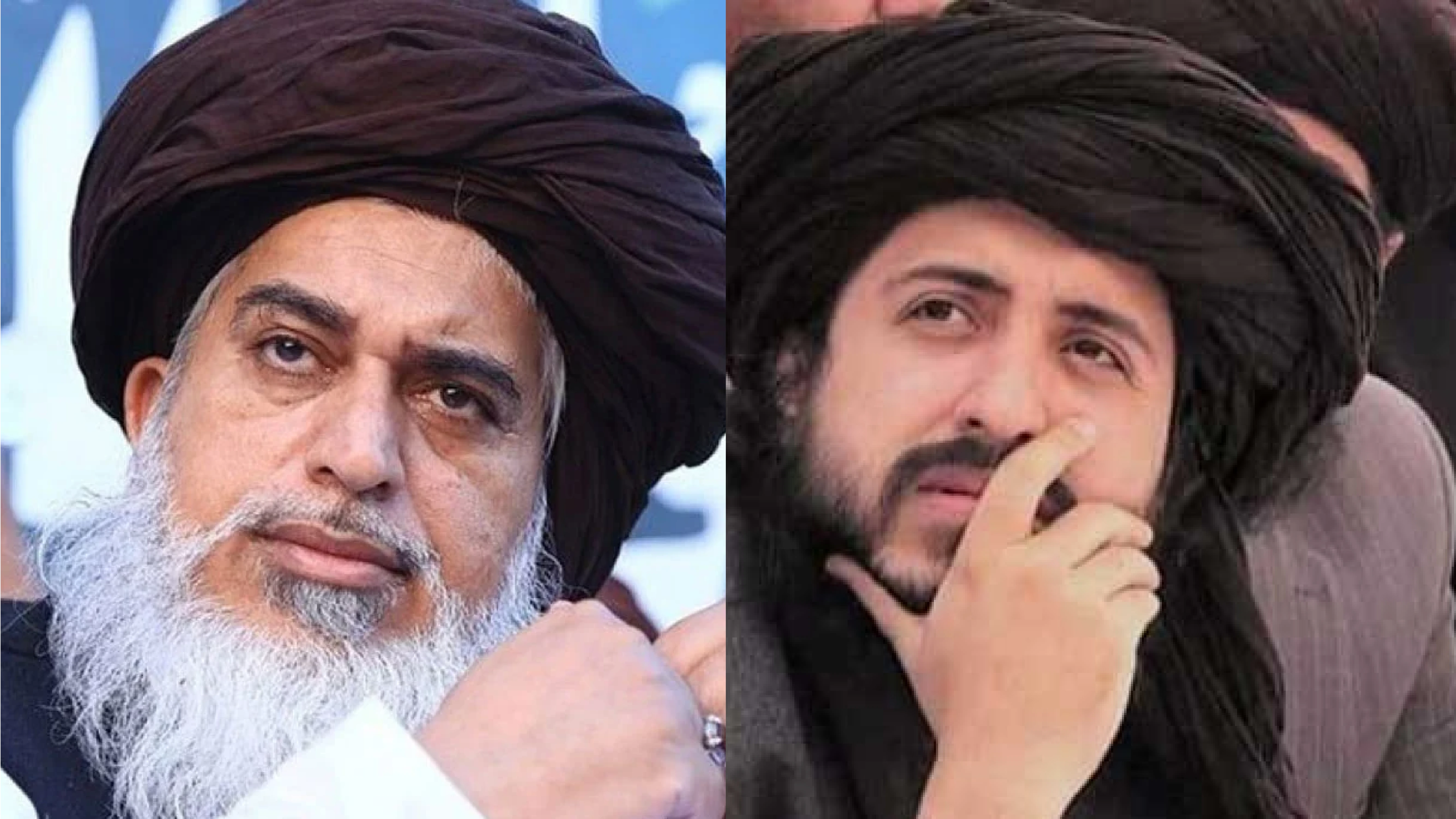
History of Tehreek-e-Labbaik Pakistan (TLP)
From Founding to Banning and Revival (2015–2025)
Founding and Early Years (2015–2016)
Tehreek-e-Labbaik Pakistan (TLP), a far-right Islamist populist party rooted in the Barelvi movement of Sunni Islam, was founded on August 1, 2015, by Khadim Hussain Rizvi at Nishtar Park in Karachi, Sindh. Rizvi, a fiery Barelvi cleric, became the party's first Ameer (leader), with 75 founding members pledging allegiance to him. The party emerged from grassroots efforts to defend Pakistan's blasphemy laws and promote the enforcement of Sharia law through legal and political means, advocating for a strict "Nizam-e-Mustafa" (system of the Prophet Muhammad). TLP positioned itself against perceived threats like secularism, Western influences, and religious minorities such as Ahmadis, drawing support primarily from Barelvi Sunnis, including rural madrasa students and urban professionals like lawyers and doctors in cities such as Karachi and Lahore. In 2017, the Election Commission of Pakistan allotted the crane as its electoral symbol.[1][2]
Rise to Prominence Through Protests (2017–2018)
TLP catapulted to national attention in late 2017 amid controversy over amendments to Pakistan's elections bill. The PML-N government's change of wording in the oath affirming the finality of Prophethood (from "I solemnly swear" to "I believe") was decried by TLP as weakening protections against Ahmadis. Led by Rizvi, the party launched a massive three-week sit-in at Faizabad Interchange in November 2017, which paralyzed Islamabad and spread nationwide, with protesters blocking roads, clashing with police, and causing at least six deaths and 200 injuries. The military-brokered deal granted immunity to protesters, cash payments, and the resignation of Law Minister Zahid Hamid, marking TLP's first major political victory.[3][4]
The party's influence grew further in 2018. An assassination attempt on PML-N leader Ahsan Iqbal in May was linked to a TLP sympathizer, though the party distanced itself and demanded a probe. The Supreme Court's acquittal of Christian blasphemy accused Asia Bibi in October sparked TLP-led nationwide protests, including road blockades and calls for the justices' deaths. The Imran Khan government capitulated on November 2, agreeing to bar Bibi from leaving Pakistan, release arrested protesters, and review the verdict—though she fled to Canada soon after. Later that month, authorities arrested Rizvi and dozens of leaders on sedition and terrorism charges, imposing a media blackout. TLP also pressured the government to remove Ahmadi economist Atif Mian from an advisory council and threatened nuclear action against the Netherlands over a proposed Prophet Muhammad caricature contest (which was canceled). Reports emerged of TLP-inspired vigilante violence, including blasphemy-related killings.[5][6]
Electoral Entry and Leadership Transition (2018–2020)
Contesting its first general elections in July 2018, TLP garnered 2.2 million votes (4.2% nationally) but won no National Assembly seats, though it secured three in Sindh's provincial assembly. Many of its voters were former PML-N supporters disillusioned by the party's perceived softness on blasphemy issues. Rizvi's death from COVID-19 complications on November 19, 2020, led to his son, Saad Hussain Rizvi, succeeding him as Ameer. In October 2020, TLP's website controversially praised the beheading of French teacher Samuel Paty as a "martyrdom" act.[7][8]
Escalation, Ban, and Revival (2021–2022)
Tensions boiled over in April 2021 when Saad Rizvi's arrest for inciting protests against the French ambassador (over Muhammad cartoons) triggered deadly nationwide unrest. Clashes killed police officers, injured hundreds, and saw 11 officers briefly held hostage; the government banned TLP under anti-terrorism laws on April 14. A Lahore High Court later ordered Rizvi's release in July, but detention was extended. Further October protests forced a government U-turn: the ban was lifted on November 7, 2021, TLP was delisted as a terrorist outfit, and Rizvi was freed on November 18. The party was fully legalized shortly after.[9][10]
In 2022, TLP continued agitating, with isolated incidents of linked vigilante attacks, such as a student's fatal stabbing of a professor over alleged blasphemy remarks.[11]
Continued Protests and Electoral Gains (2023–2024)
TLP members were implicated in the August 2023 Jaranwala riots, where over 100 arrests followed the arson of 21 Christian churches and looting in response to alleged Quran desecration. In February 2023, the party called a "shutter-down" strike against fuel price hikes, mobilizing truckers in yellow-vest protests echoing global movements.[12][13]
In the February 2024 general elections, TLP boosted its vote share to 2.9 million (4.88% nationally), ranking fourth but winning no federal seats. It claimed one Punjab provincial seat (PP-55 Narowal-II) with 6.84% of votes there, becoming the third-largest party in the province, while losing its Sindh seats.[14]
Recent Crisis and Re-Ban (2025)
In October 2025, TLP staged protests outside the US Embassy in Islamabad in solidarity with Palestinians amid the Israel-Hamas conflict. Attempts to march on the capital led to violent clashes over three days, resulting in over 11 protester deaths and city-wide lockdowns. On October 23, 2025—just a day before the current date—the government re-banned TLP under anti-terrorism laws, citing its role in the unrest. As of now, the party holds one Punjab Assembly seat, is led by Saad Hussain Rizvi (with Syed Zaheer Ul Hasan Shah as deputy), and maintains its Lahore headquarters. This latest ban echoes the 2021 episode, potentially reshaping Pakistan's political landscape amid ongoing blasphemy sensitivities and regional tensions.[15][16]
Critical Assessment
TLP's rise reflects deep-seated frustrations with blasphemy enforcement and perceived Western/ secular threats, mobilizing Barelvi masses effectively. Its protest tactics have forced government concessions, but vigilante violence and extremism links tarnish its image. The 2025 re-ban, amid Gaza solidarity protests, highlights its volatility, potentially alienating moderates while galvanizing hardliners. TLP's electoral gains (4.88% in 2024) show grassroots strength, but bans and internal rifts limit longevity. In Pakistan's polarized politics, TLP embodies Islamist populism's dual edge: a voice for the marginalized or a threat to stability.[17]
Conclusion
Tehreek-e-Labbaik Pakistan (TLP), founded in 2015 by Khadim Hussain Rizvi, has evolved from a blasphemy defense movement to a major Islamist force through protests, electoral gains, and bans. Its 2017 Faizabad sit-in and 2018 Asia Bibi protests secured victories but sparked violence. Leadership passed to Saad Rizvi in 2020, with 4.88% votes in 2024. The October 2025 re-ban amid Gaza protests underscores its contentious role. TLP's trajectory reflects Pakistan's blasphemy sensitivities and populist undercurrents, balancing advocacy with extremism risks. Monitor Election Commission of Pakistan (https://www.ecp.gov.pk) for updates.[1][15]
Sources
- Tehreek-e-Labbaik Pakistan, Wikipedia
- TLP Founding 2015, Dawn
- Pakistan Protests 2017, BBC
- Faizabad Protests, Al Jazeera
- Asia Bibi Verdict Review, Reuters
- TLP Arrests 2018, Dawn
- TLP Elections 2018, BBC
- Rizvi Death TLP 2020, Dawn
- Pakistan Bans TLP 2021, Al Jazeera
- TLP Ban Lifted 2021, BBC
- TLP 2022 Incidents, Dawn
- Pakistan Jaranwala Riots 2023, Reuters
- TLP Shutter-Down Strike 2023, BBC
- TLP Elections 2024, Dawn
- Pakistan Re-Bans TLP 2025, Al Jazeera
- TLP Ban 2025, Dawn
- Tehreek-e-Labbaik Pakistan, CFR