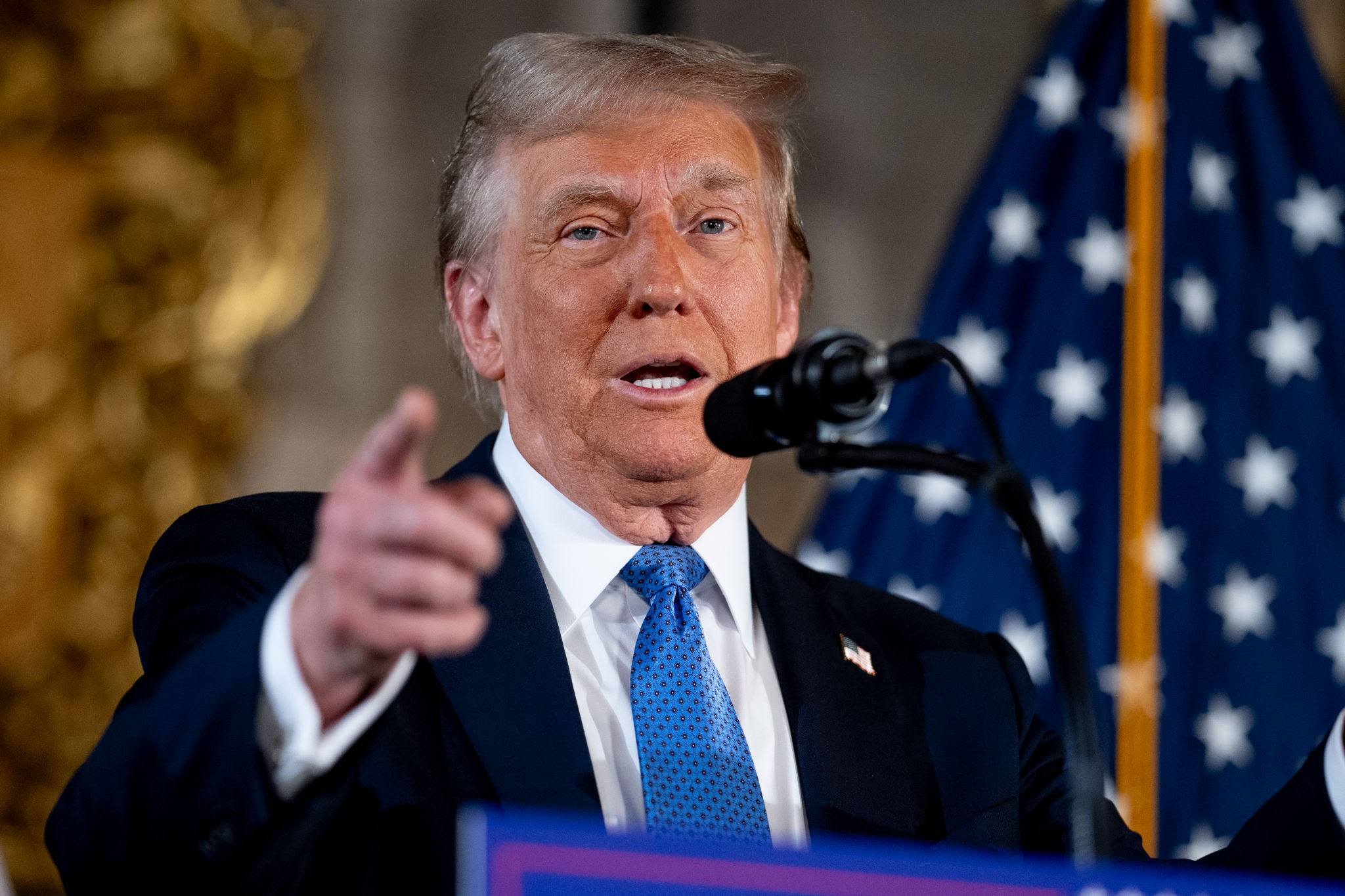
Trump's 20-Point Plan for Gaza
Ending the Israel-Hamas War and Path to Peace (2025)
Introduction
Donald Trump's 20-point plan for Gaza, unveiled on September 29, 2025, aims to end the Israel-Hamas war and includes key elements such as an immediate ceasefire, hostage and prisoner exchanges, demilitarization, and reconstruction under international oversight. The plan has received mixed reactions, with Hamas accepting parts but refusing to disarm, and Israel opposing Palestinian statehood. This webpage provides an overview of the plan, its transformations, and why China and Russia abstained from supporting the UN Security Council resolution endorsing it.[1][2][3]
Key Elements of the Plan
The 20-point plan focuses on immediate relief, security, and long-term stability:
- Immediate Ceasefire: An immediate cessation of hostilities, with all military operations suspended and frontlines frozen.
- Hostage Release: All Israeli hostages, living and deceased, will be returned within 72 hours.
- Prisoner Release: Israel will free 250 life-sentence prisoners and 1,700 Gazans detained after October 7, 2023.
- Gaza Governance: A transitional governing body, led by a "Board of Peace" chaired by Trump, will oversee reconstruction and economic recovery.
- Demilitarization: Hamas will disarm, and an international stabilization force will ensure Gaza's demilitarization.
- Reconstruction: A special economic zone will be established, with preferred tariff and access rates, to rebuild Gaza.
- Palestinian Statehood: The plan references a potential pathway to Palestinian statehood, contingent on reforms within the Palestinian Authority.
- International Support: The UN Security Council has endorsed the plan, with 13 votes in favor, and Russia and China abstaining.
The plan has garnered support from Israel, the PA, Egypt, UAE, Saudi Arabia, Jordan, and European leaders, but Hamas views it as a "surrender" due to disarmament demands.[1][3]
Transformations and Impacts
The plan aims to transform Gaza from a conflict zone to a stable, demilitarized area under international oversight. Key transformations include:
- Humanitarian Relief: Unrestricted aid and amnesty for Hamas members committing to peace could reduce violence and enable reconstruction.
- Security Shifts: Arab-led international forces would replace Israeli troops, potentially fostering regional cooperation.
- Economic Revival: A special economic zone could attract investments, creating jobs and integrating Gaza into the Abraham Accords framework.
- Political Reforms: PA reforms and transitional governance could unify Palestinian leadership, paving the way for elections.
However, critics argue it prioritizes Israeli security without addressing root issues like settlements or statehood, risking prolonged occupation.[4]
Why China and Russia Not Supporting
China and Russia abstained from voting on the UN Security Council resolution endorsing Trump's plan. Russia circulated a rival resolution emphasizing Palestinian statehood and opposing foreign intervention but abstained, allowing the U.S.-backed resolution to pass with 13 votes in favor. Hamas rejected it, claiming it imposes an international trusteeship on Gaza. The Palestinian Authority welcomed it, expressing readiness to participate. China and Russia view the plan as biased toward Israel and U.S. interests, lacking enforcement for Palestinian rights, and potentially undermining UN authority.[5][6]
Conclusion
Trump's 20-point plan offers a pragmatic path to ceasefire and reconstruction but faces skepticism due to its imbalances and lack of Palestinian input. Transformations in governance and security could stabilize Gaza, but without addressing statehood and settlements, it risks failure. China and Russia's abstention underscores global divisions. Progress depends on inclusive negotiations and enforcement. Monitor UN Security Council (https://www.un.org/securitycouncil) for updates.[1][2]