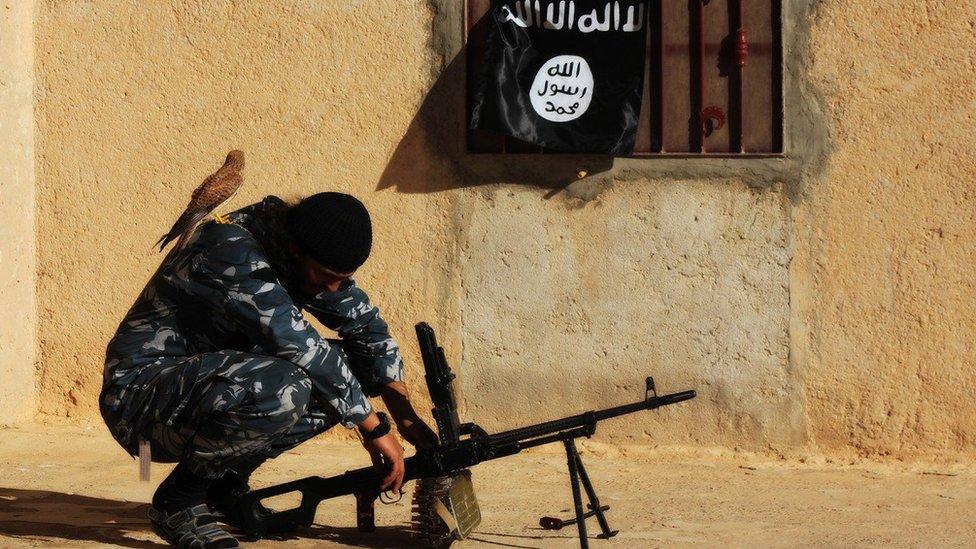
Daesh (ISIS/ISIL): Origins, Rise, Decline & Current Status
A Comprehensive Overview (December 2025)
Origins (2004–2013)
Daesh emerged from Al-Qaeda in Iraq (AQI) in the early 2000s during the U.S.-led occupation of Iraq. It gained notoriety for brutal attacks against U.S. forces and sectarian violence targeting Shia Muslims.
- 2004: Abu Musab al-Zarqawi founded Al-Qaeda in Iraq (AQI).
- 2006: Zarqawi was killed in a U.S. airstrike; the group was weakened but reorganized.
- 2010: Abu Bakr al-Baghdadi took leadership, transforming the organization.
- 2013: Rebranded as the Islamic State in Iraq and Syria (ISIS/Daesh). Exploited instability in Syria’s civil war and Iraq’s weak government to expand rapidly.
Peak Power and "Caliphate" (2014–2017)
In 2014, the group declared a “caliphate” with Baghdadi as “Caliph.” It controlled ~40% of Iraq and one-third of Syria, including major cities like Mosul and Raqqa. At its peak, Daesh attracted thousands of foreign fighters through sophisticated propaganda and social media.
- 2015–2017: International coalition (U.S., Iraq, Kurdish forces, France, UK, etc.) launched major military campaigns. ISIS lost its two largest strongholds (Mosul and Raqqa) and 95% of its territory by the end of 2017.
Decline and Leadership Transition (2017–2019)
Territorial losses continued. Baghdadi was killed in a U.S. raid in October 2019. Leadership weakened significantly, shifting from territorial control to insurgency and global terrorism.
Current Status (2020–2025)
Though its “caliphate” collapsed, Daesh remains active as an insurgent network in Iraq, Syria, and beyond. It operates through terrorist attacks, sleeper cells, and propaganda, inspiring affiliates in Africa (e.g., Boko Haram pledging allegiance), South Asia, and other regions.
As of late 2025, Daesh continues to pose a threat, though its global influence has declined compared to its peak.
Key Terrorist Attacks Linked to Daesh
- 1998 U.S. embassy bombings (Kenya and Tanzania) – carried out by Al-Qaeda affiliates that later merged into ISIS.
- 2014–2017: Multiple attacks in Europe (Paris 2015, Brussels 2016), inspired or directed by ISIS.
- Mumbai attacks (2008) – indirect links through Lashkar-e-Taiba and broader jihadist networks.
- Peshawar school attack (2014) – carried out by Tehrik-i-Taliban Pakistan (TTP), an ally of ISIS.
Quick Timeline Table
| Year | Event |
|---|---|
| 2004 | AQI founded by Zarqawi |
| 2006 | Zarqawi killed; group weakened |
| 2010 | Baghdadi becomes leader |
| 2013 | Rebrands as ISIS/Daesh |
| 2014 | Declares caliphate; controls Mosul & Raqqa |
| 2017 | Loses 95% of territory |
| 2019 | Baghdadi killed |
| 2020–2025 | Survives as insurgent network |
Conclusion
Daesh (ISIS/ISIL) emerged from Al-Qaeda in Iraq in the early 2000s, rose to power during the chaos of the Iraq War and Syrian Civil War, controlled vast territories between 2014–2017, and then rapidly declined after international military campaigns. While its territorial "caliphate" was destroyed, it continues to operate as an insurgent and terrorist network, inspiring affiliates worldwide and posing ongoing security threats.
For the latest updates, monitor official sources such as the U.S. State Department, UN Security Council reports, and reputable news outlets.