Iran's Current Situation and Effects on Gulf Countries
Volatility, Protests, U.S. Responses, and Regional Implications
Introduction
Iran's situation is highly volatile as of late 2025. Massive protests have erupted across the country, sparked by economic struggles, soaring prices, and political repression, with hundreds reportedly killed in the government's crackdown. The U.S., under President Trump, is weighing responses including military options, cyberattacks, or boosting sanctions. Trump has stated readiness to help Iranians gain freedom, while Iran's parliament speaker warned the U.S. against "miscalculations," threatening retaliation against U.S. bases or Israel. The U.S. interests are geopolitical (countering Iran's influence after the June 2025 Israel-Iran war) and energy security (Iran's oil reserves are critical; disruption could impact global markets). Iran's economy is collapsing, with hyperinflation and water shortages exacerbating tensions. Some senators question military action, fearing it could unite Iranians against the U.S.[1][2]
Effects on Gulf Countries
The effects on the Gulf region due to escalating U.S.-Iran tensions are significant, with potential for economic, security, and regional stability impacts.
Economic Impact
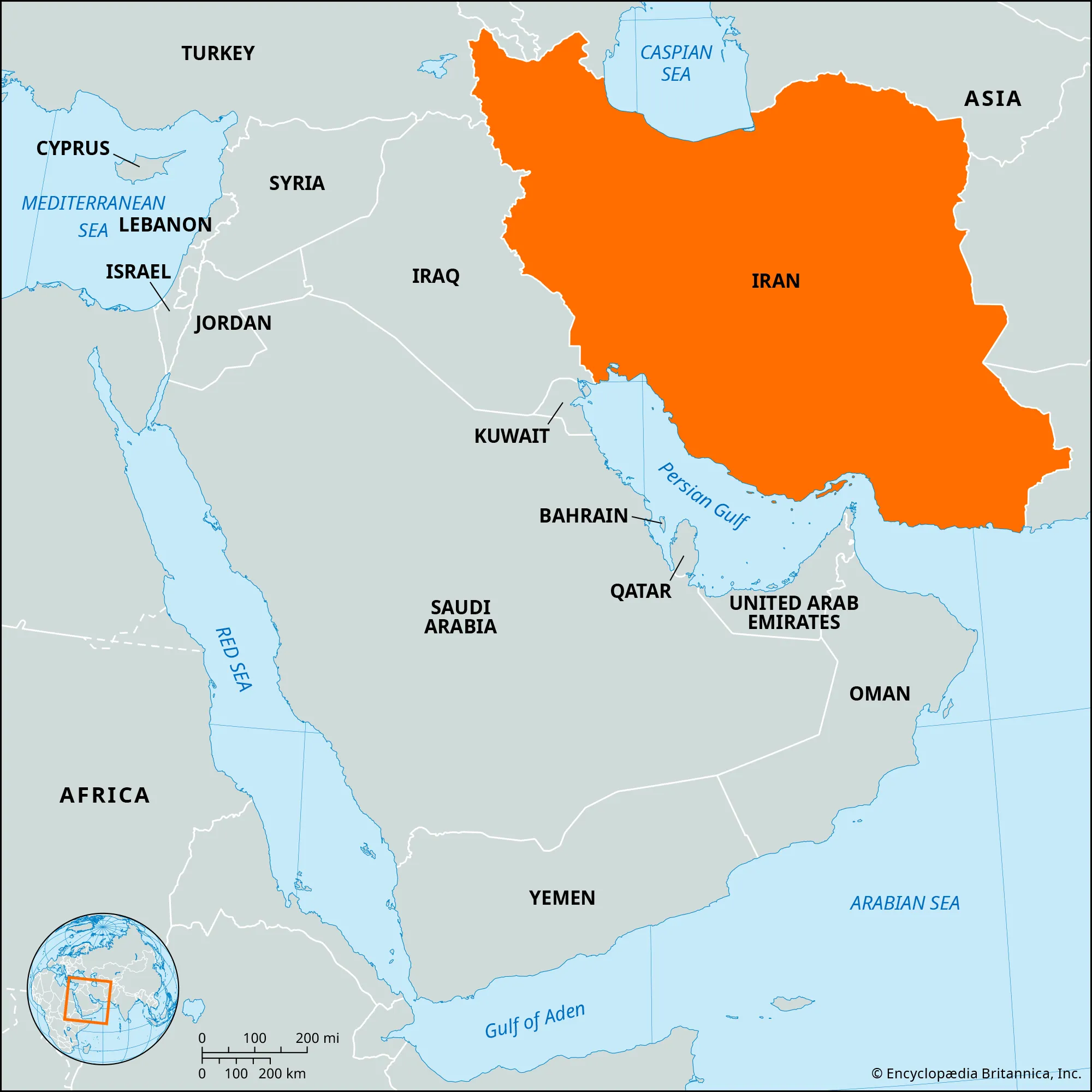
- Oil Prices: If Iran closes the Strait of Hormuz, oil prices might soar, disrupting 35% of global seaborne crude oil and 20% of liquefied natural gas (LNG) shipments. Gulf states like Saudi Arabia, UAE, and Qatar, relying heavily on this chokepoint, could face economic instability.[3]
- Investment and Diversification: Prolonged conflict could chill foreign investment, hampering diversification efforts (e.g., Saudi Vision 2030).[4]
Security Concerns
- Threats to U.S. Bases: Iran has threatened to target U.S. military bases and shipping if attacked, putting Gulf states hosting U.S. bases (Bahrain, Kuwait, Qatar) on high alert.[5]
- Houthi Expansion: Houthis might expand Red Sea attacks, supporting Iran.[6]
Regional Stability
Conclusion
Iran's volatile situation, marked by protests, economic collapse, and U.S. military considerations, poses significant risks to Gulf countries. Economic impacts from potential Strait of Hormuz closure, security threats to U.S. bases, and regional instability could disrupt Gulf economies and diversification efforts. Gulf states are hedging with China and Iraq, but prolonged conflict threatens energy markets and security. Diplomatic engagement and de-escalation are critical to avoid broader instability. Monitor U.S. State Department[](https://www.state.gov) and Gulf news for updates.[1][2]